
Box Campervans: What They Are, Why People Build Them, How to Plan One
A box campervan is exactly what it sounds like: a camper built using a “box” shaped body rather than a typical panel van shell. You’ll see people call them box campers, box van campers, box truck campers, or a habitation box camper, depending on the base vehicle and the style of body.
They’re popular for one simple reason: a box gives you straight walls, lots of usable space, and an easier shape to plan a liveable interior around. Some box campers start life as work vehicles, and some use purpose-built bodies (habitation boxes) that look closer to a compact motorhome shell.
This guide covers what a box campervan is, the main types, and how to plan one properly—so you can decide if it suits your travel style before you get pulled into a build.
What is a “box campervan”? (and the different types people mean)
“Box campervan” is an umbrella term. In the UK, it usually points to one of these approaches:
- Box van camper: a van with a box body (often still within the 3.5t world)
- Box truck camper: larger, more truck-like box bodies (often more space, but more compromises)
- Habitation box camper: a more motorhome-style box body, sometimes built for living space first
- Fridge box camper: a box body that’s insulated (high-level concept here—details belong in a follow-up)
Box body campervan vs box van camper — what’s the difference?
A box body campervan describes the shape and structure: a square(ish) living box on a chassis. A box van camper is usually how people describe the same idea when the base vehicle still feels like a “van platform” (and often stays in the 3.5t category).
In other words: “box body” is the body style; “box van” is how most people talk about the vehicle.
Habitation box camper: what does “habitation box” mean?
A habitation box is basically a living module (a box body) designed to be a living space, not a work vehicle. People use the term habitation box camper when they want to separate “camper-ready body” from “ex-work box body”.
Fridge box camper: a popular sub-type
A fridge box camper usually means a box body that already has serious insulation in the walls/ceiling/floor. That idea is one of the main reasons box campers get attention in colder months and shoulder seasons—but it also comes with planning challenges (especially around weight and ventilation). We’ll cover the deeper details in a separate article.
Why box campervans are appealing (and where they’re a pain)
The big wins: space, straight walls, and simple furniture builds
A box shape is easier to design around than curved van walls. With a box camper you often get:
- more “real” floor width for walkways and storage
- simpler cabinetry (less fiddly trimming and templating)
- more layout freedom (especially for fixed beds, garages, and washrooms)
That’s why many box van camper conversion plans look “more like a tiny room” than a typical van interior.
The trade-offs: height, wind, parking, and weight management
Box campers also come with real-world compromises:
- height barriers (car parks, some campsites, some city parking)
- crosswinds on exposed roads
- fewer stealth options compared to common panel vans
- weight/payload pressure if you overbuild the interior
Insulation and comfort: why box campervans can feel more “solid”
Many box bodies feel more stable and “room-like” inside. With the right planning, a box camper can be a great platform for longer trips and colder seasons.
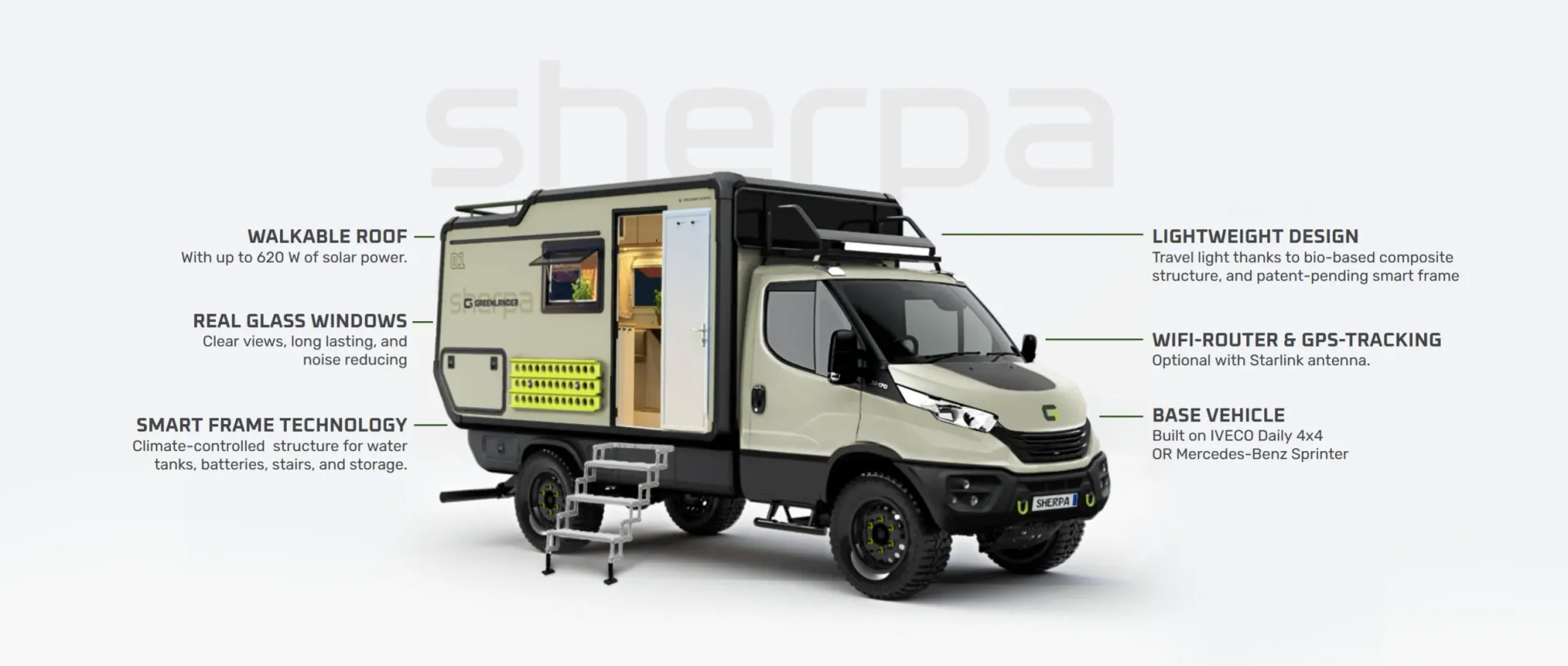
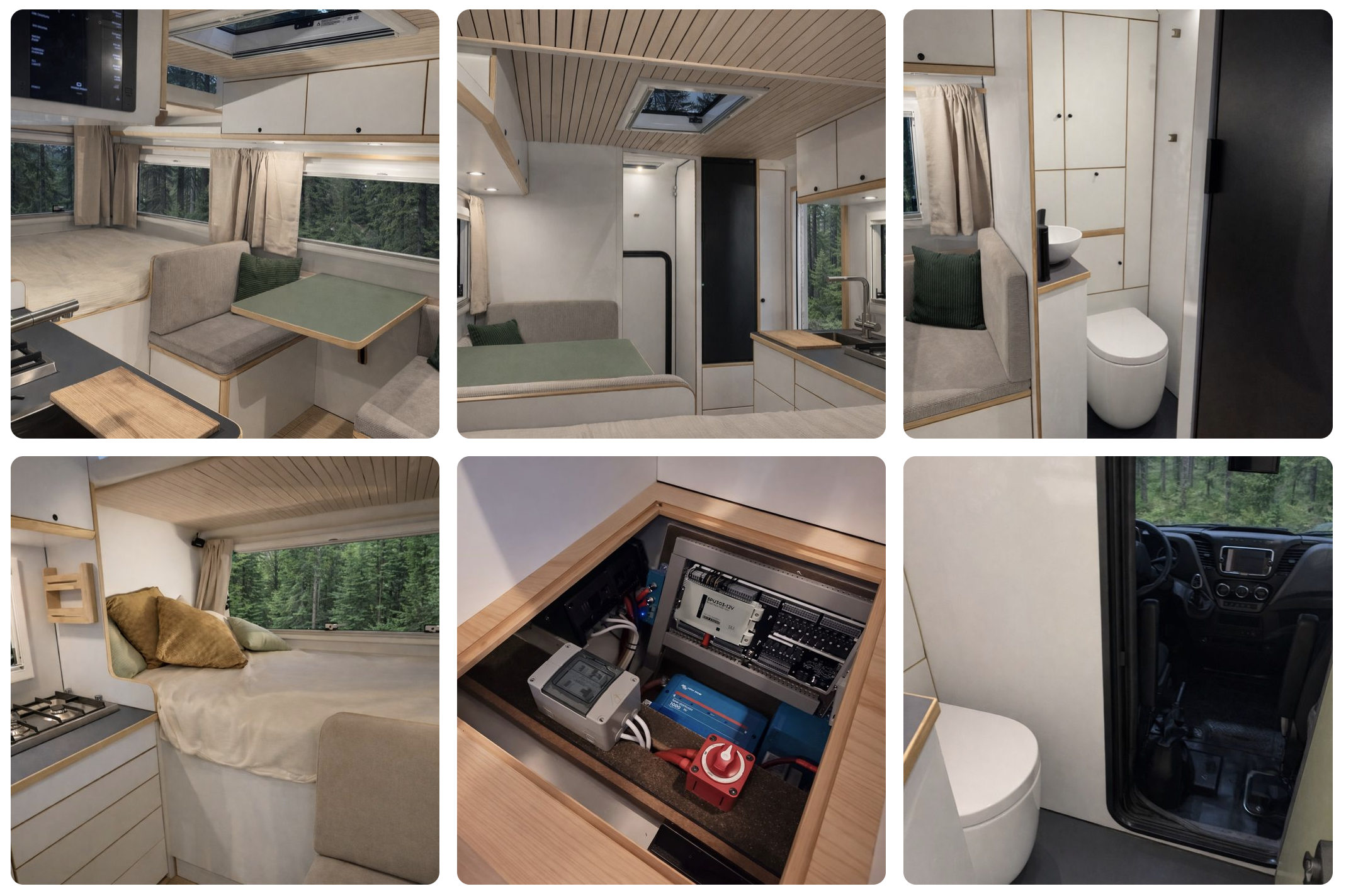
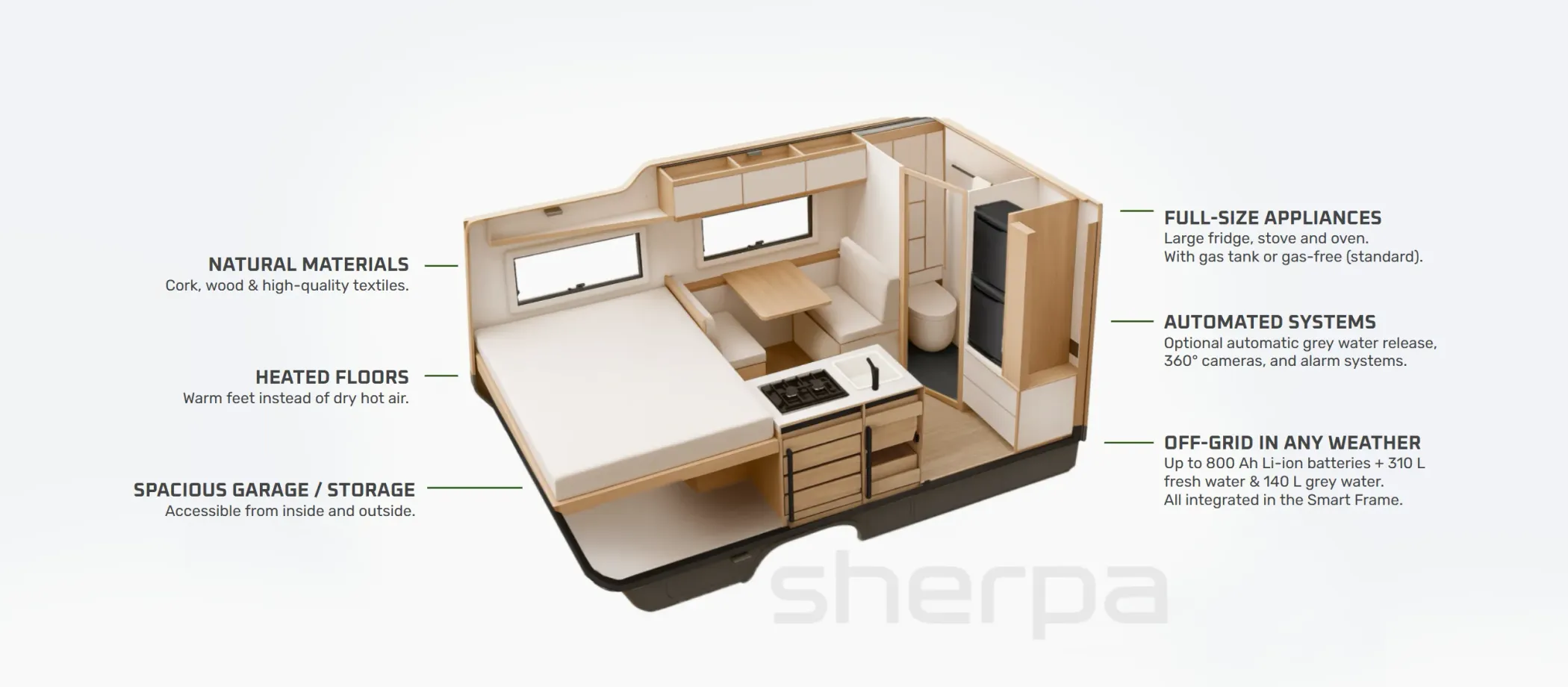
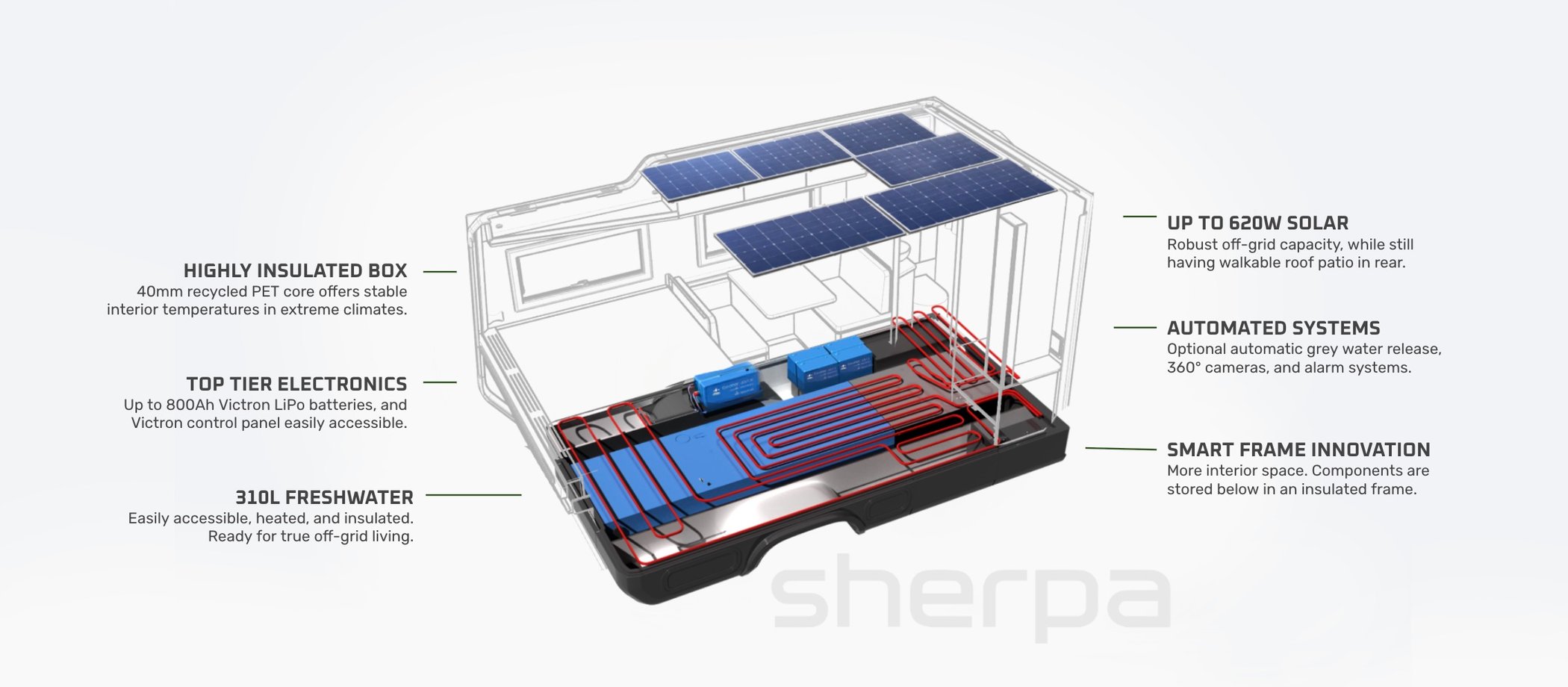
Choosing your base: box van, box truck, or habitation box?
This section is about the body/platform choice. (We’ll cover chassis/drivetrain choices in the next section.)
Box van camper (often the most practical starting point)
A box van camper approach can be a sweet spot if you want more space than a panel van but still want something that fits UK roads fairly well.
Good fit for:
- couples who want a fixed bed plus a decent kitchen
- people who want a compact “micro-motorhome” feel without going huge
Box truck camper (more space, more compromises)
A box truck camper gives you more volume and often more layout freedom, especially if you want:
- a proper separate shower/toilet space
- larger water and battery capacity
- more indoor living comfort on bad-weather days
Trade-offs usually show up in manoeuvrability, parking, and running costs.
Habitation box camper (if living space is the priority)
A habitation box approach is appealing if you want the box to behave like a living shell first. It can reduce some of the awkwardness people run into when adapting a work-oriented box body.
Chassis and drivetrain considerations (single cab vs double cab, 2WD vs 4×4)
A box camper lives or dies on the base vehicle choices. Before you get excited about layouts and finishes, make sure the chassis matches how you actually travel.
Single cab vs double cab (and why it matters)
- Single cab usually gives you more available payload and a simpler build. It’s often the better choice if your priority is a bigger living box and staying within weight limits.
- Double cab adds seats for people and family use, but it often costs you payload and usable chassis length for the box. It can still work brilliantly—just accept you’re trading living space (or payload) for passenger capacity.
Quick decision rule:
If you need extra seats regularly, double cab is worth it. If you don’t, single cab is usually the cleaner starting point.
2WD vs 4×4 (and what “overland” really changes)
- 2WD is cheaper, simpler, usually lighter, and easier to maintain. For most UK/EU touring and sensible gravel tracks, it’s enough.
- 4×4 adds capability, but also adds cost, complexity, height, and weight—all of which matter with a box camper.
If you’re considering 4×4, be honest about your use:
- Are you truly going off-road, or do you just want better winter access?
- Would tyres + sensible clearance achieve most of what you want?
Wheelbase, rear overhang, and “it looks fine” traps
Box campers can become awkward if:
- rear overhang is excessive (handling suffers)
- wheelbase is too short for the living box you want
- the centre of mass ends up too far back
Suspension and braking (plan for the finished weight, not the empty vehicle)
Even a “simple” build can end up heavier than expected. It’s common to need a plan for suspension and tyres that match the final load.
How the box mounts to the chassis (fixed mount vs rail/subframe vs torsion frame)
How you attach the box to the chassis affects comfort, durability, and maintenance. It’s one of the most overlooked parts of box camper planning.
Why mounting matters
Vehicle chassis flex as they move—especially on uneven ground. If your box is mounted in a way that fights that movement, you can end up with:
- cracks in the box structure
- doors that go out of alignment
- leaks appearing months later
- fasteners loosening over time
Fixed mount (simple, common, but not always best)
A fixed mount (rigidly bolting the box down) is straightforward and common on road-focused builds.
Pros: simpler, often cheaper
Cons: can transmit more stress into the box over time, especially on rougher use
Rail-on-rail / subframe style mounting (a practical middle ground)
A rail/subframe approach creates a more controlled interface between chassis and box.
Good for:
- better load distribution
- improved service access to mounting points
- reducing stress concentrations compared to “bolt it straight down and hope”
Torsion frame / torsion isolation (more technical, for flex-heavy use)
A torsion-style isolation approach is used when you expect the chassis to twist significantly (more common in serious off-road use).
Important boundary: this is structural safety. If you’re not fully confident, get a qualified fabricator/engineer to sanity-check the design.
What to check (no matter which approach you choose)
- Can you inspect and re-torque mounts later?
- Are you protecting against corrosion (especially trapped moisture)?
- Are the mounting points accessible after the interior is built?
Layout planning for a box camper (what works best)
A strong box camper layout is less about trends and more about flow: where you walk, where you sit, where you cook, and what you do when it’s raining for two days.
3 proven layout templates (pick one)
1) Fixed bed + garage (simple and practical)
2) Lounge-to-bed + big kitchen (great for day-to-day living)
3) Family bunks + compact washroom (space-efficient)
Door placement, airflow, and light (plan before furniture)
Box campers can feel dark and “sealed” if you don’t plan:
- where daylight comes from
- where air enters and exits
- where moisture is created (cooking, drying wet coats, showers)
Heating, electrics, and water: the “space budgeting” checklist
Reserve space early for batteries, electrical gear, water storage, heating, and access panels. If you want a solid starting point for power planning, link to your Campervan Electrics: A Beginners Guide here.
Fridge van camper conversion vs fridge box camper — what’s the real difference?
These terms get mixed up constantly.
A fridge van camper conversion phrase can sometimes refer to a refrigerated panel van (a van with refrigeration equipment). A fridge box camper usually points to a box body with insulated walls.
When search results get confusing (and how to search smarter)
If you search broadly, you can run into commercial refrigeration topics. A simple trick is to pair your searches with camper intent words like:
- “camper layout”
- “camper interior”
- “vanlife”
- “self build”
Costs and complexity (honest ranges, without fake precision)
The 3 cost buckets
- Basic weekend spec
- Comfortable off-grid touring
- Full-time / four-season
What tends to blow budgets on box campers
- electrics (done properly)
- heating and ventilation
- windows/rooflights and finishing
- weight creep from “just one more upgrade”
Common mistakes to avoid
Overbuilding the interior and losing payload
Box campers tempt people into heavy builds. Design light from day one.
Poor ventilation planning (condensation problems)
Insulation helps comfort, but ventilation controls moisture. Plan airflow early.
Designing a layout that’s hard to live with
Test your plan with real-life questions like:
- “Where do wet coats and muddy shoes go?”
- “Can two people pass each other?”
- “Where does rubbish live?”
Don’t want to build your own? Check out these box camper converters:
- Motorcraft – https://www.motorcraftadventuredevelopments.com/prefab-bodies/5.5m-body
- Blissmobil – https://www.blissmobil.com/
- Boxmanufaktur – https://boxmanufaktur.com/en/composite-rv-boxes/
- Barret Lee Overland – https://www.barrett-leeoverland.co.uk/meet-the-range/habitation-box/
- exbox – https://exbox.nl/
FAQ
What is a box camper?
A box camper is a camper built in a box-shaped body (box van, box truck, or habitation box), giving straighter walls and more usable interior space than many panel vans.
Are box campers warmer than panel van campers?
They can be, especially when insulation and heating are planned well—but ventilation still matters.
What does “habitation box” mean?
A habitation box is a box body designed for living space rather than work use.
Is a fridge box camper the same as a fridge van camper conversion?
Not always. “Fridge van” can mean a refrigerated panel van, while “fridge box” often means an insulated box body.
Conclusion: is a box camper right for you?
A box camper is a strong choice if you want more interior space, straighter walls, and a layout that feels more like a tiny room than a van shell. The key is planning: pick the right platform (box van camper, box truck camper, or habitation box camper), make smart chassis choices, and don’t ignore mounting, weight, and ventilation.
If you want, paste your preferred base vehicle type and target use (weekends, winter touring, full-time), and I’ll tailor the chassis + mounting advice into a tighter checklist and adjust the layout section to match.












 As I Walked Out One Summers Evening
 South From Granada
 Driving Over Lemons
 Road to Rouen
 Road Fever
 Mani: Travels in the Southern Peloponnese
 The Secret Life of France



Recent Comments